Lake Natron
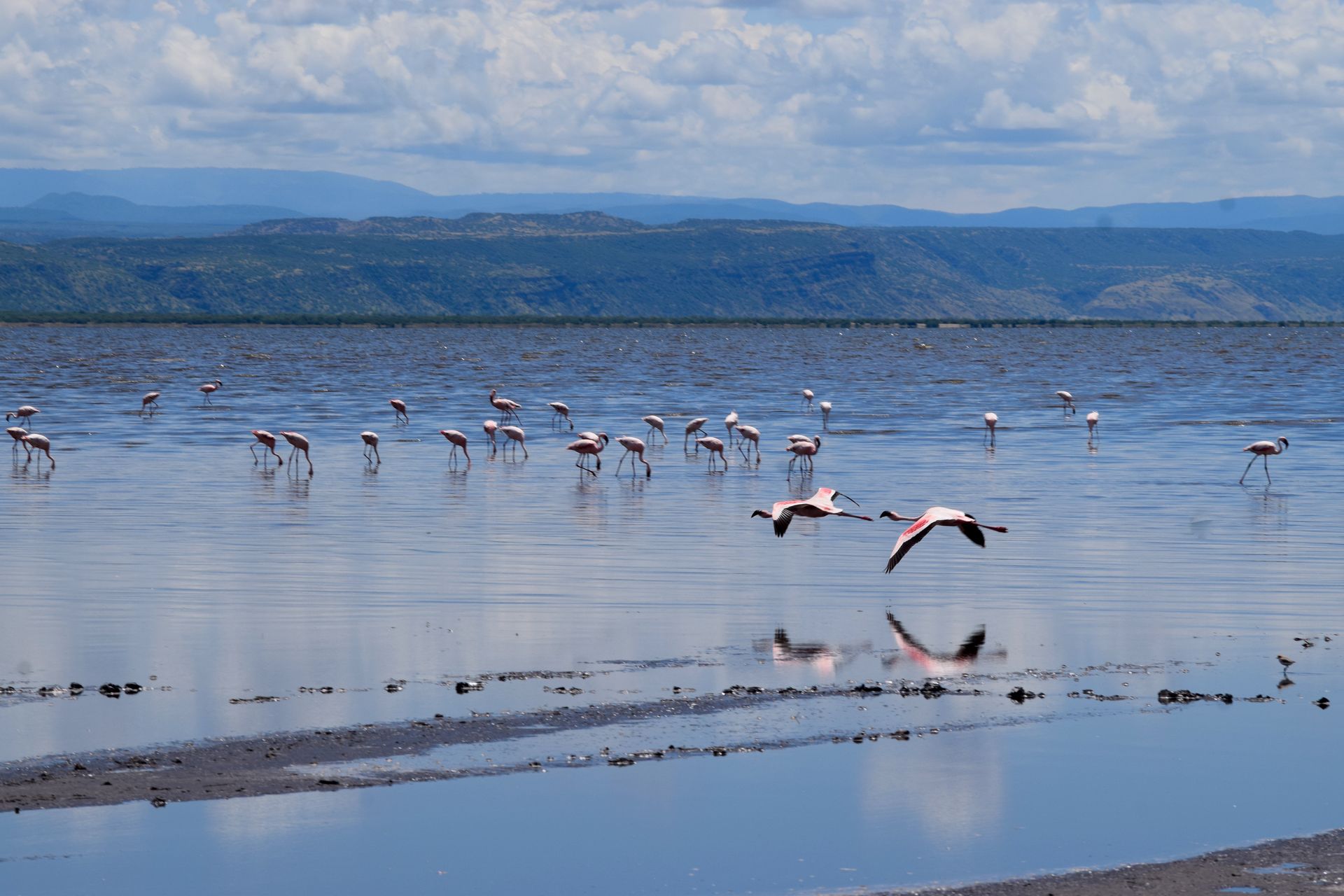
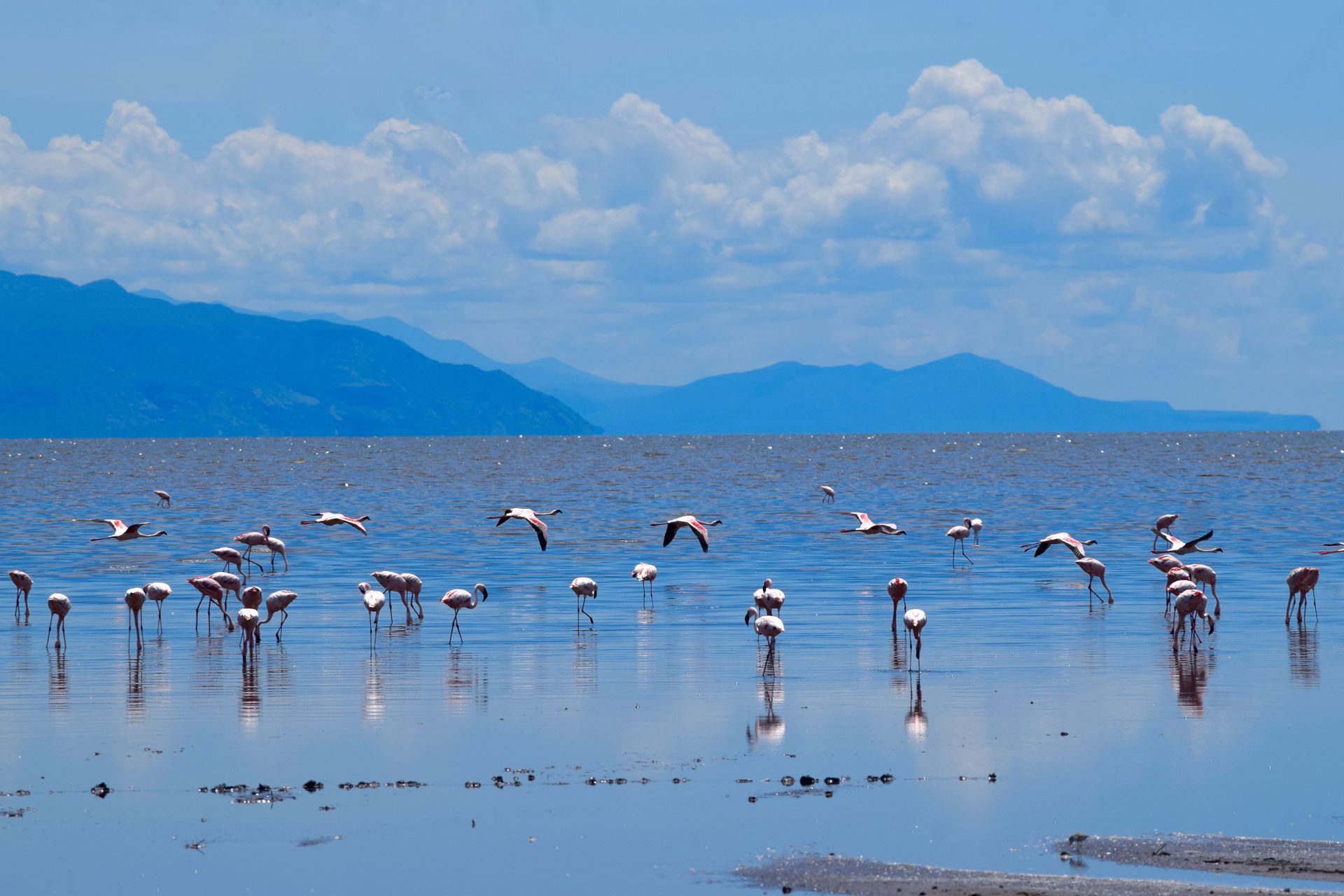
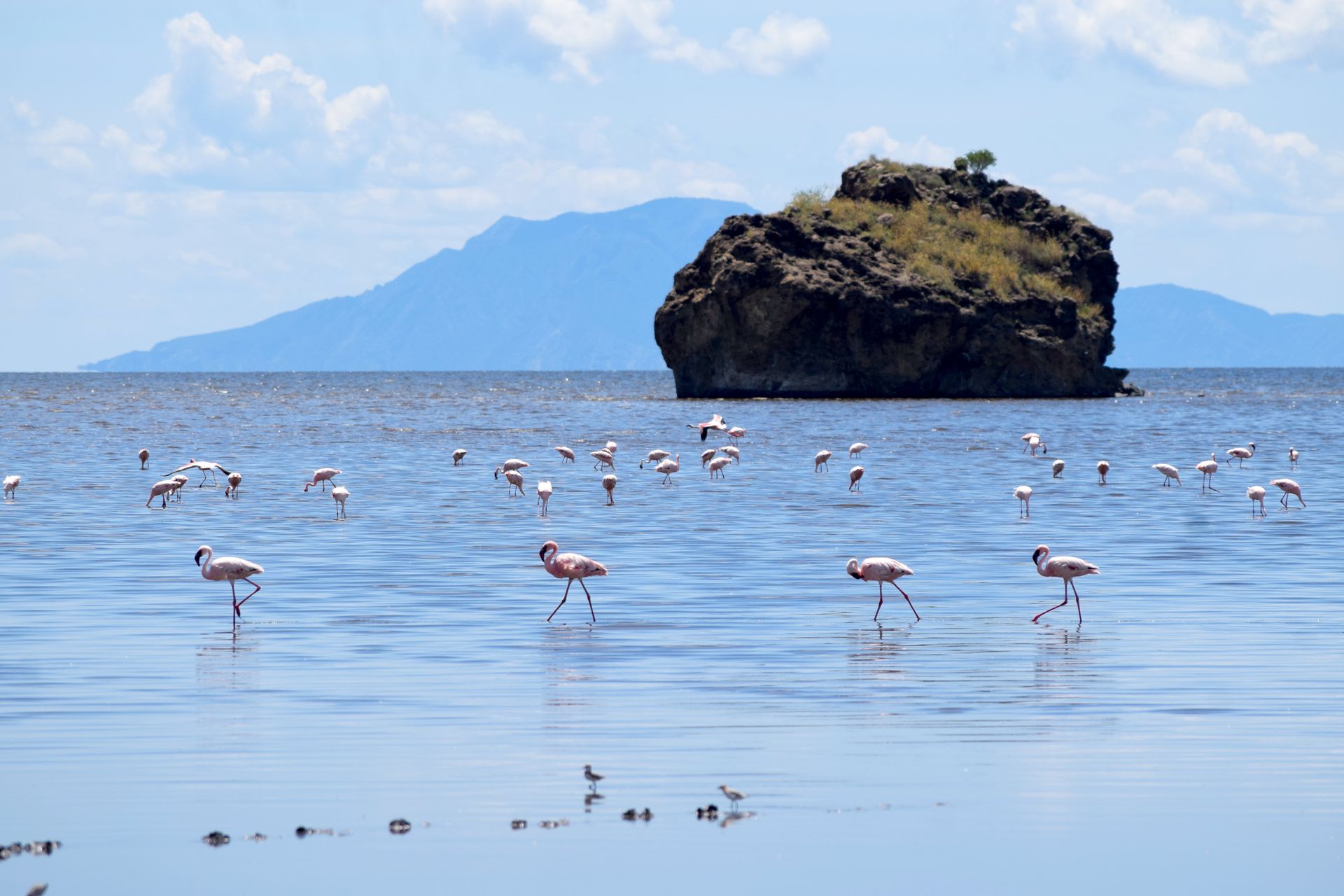

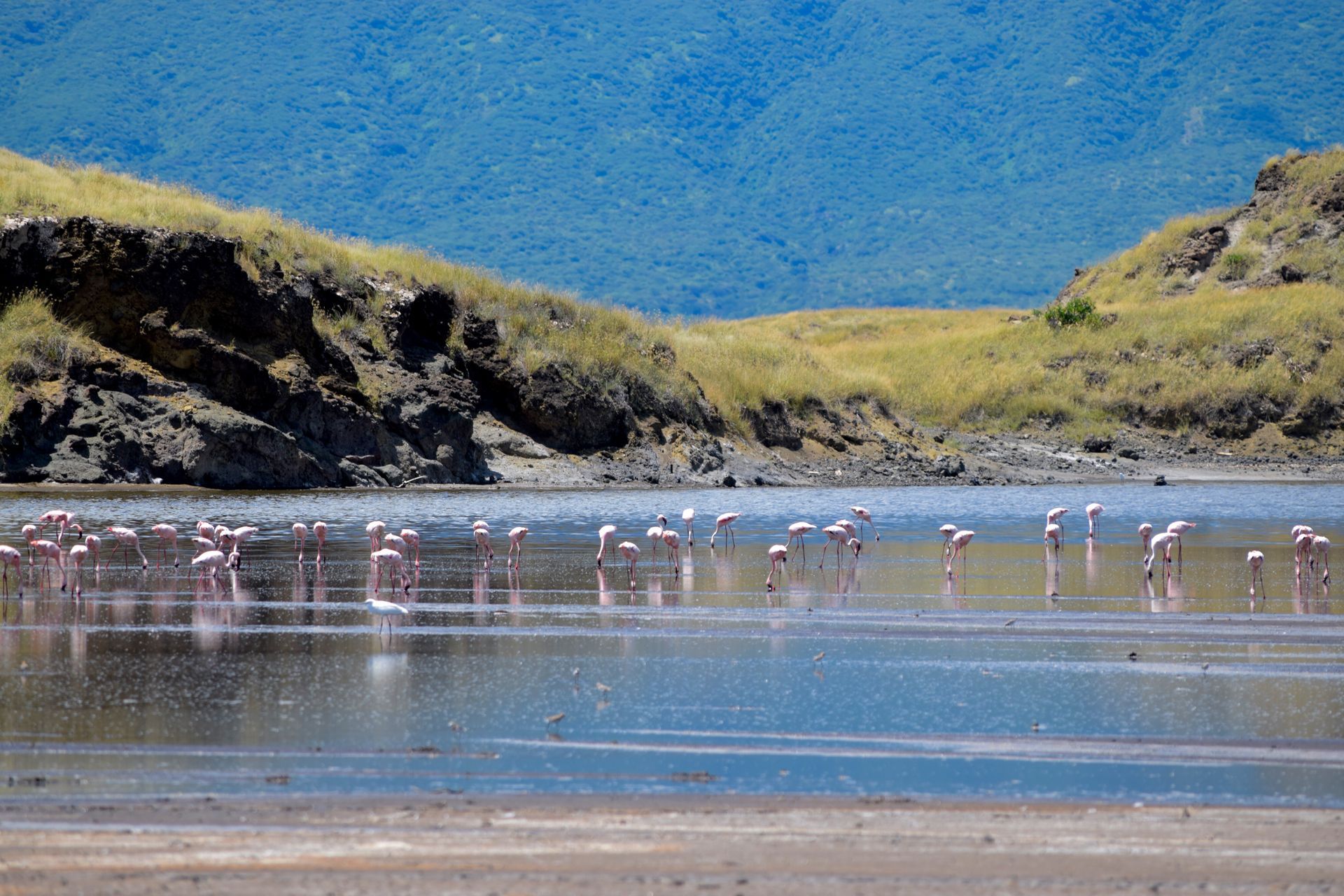
Lake Natron is one of the most surreal and beautiful places in East Africa—famous for its striking reddish-pink hue and for being the sole breeding ground in the region for over 70% of the world’s lesser flamingos. Located on the border of Tanzania and Kenya, just north of Ol Doinyo Lengai and the Ngorongoro Crater, this otherworldly lake is as fascinating as it is extreme.
A true salt or alkaline lake, Natron is nearly uninhabitable due to its highly caustic waters, which can reach a pH level above 12. The lake is fed by the Southern Ewaso Ng'iro River from Kenya and by mineral-rich hot springs that bubble up along its edges. With temperatures often soaring above 40°C (104°F), rapid evaporation causes the water to become extremely shallow and concentrated with minerals—leaving behind the natural compound “natron,” from which the lake gets its name.
The surrounding bedrock, formed from ancient volcanic eruptions, is rich in sodium carbonates and low in calcium and magnesium, creating the perfect conditions for this alkaline brine. Any creature that dies in the lake becomes naturally calcified, adding to the lake’s eerie beauty. The intense heat and evaporation also give Natron its vivid colors: as salinity rises, salt-loving microorganisms thrive and turn red, orange, or pink through photosynthesis. These microorganisms form the foundation of life here and are the reason lesser flamingos develop their iconic pink feathers.
Despite its harshness, Lake Natron supports a fragile ecosystem of specialized algae, invertebrates, a few resilient fish species, and, most importantly, the millions of lesser flamingos who depend entirely on this lake for breeding—making them a near-threatened species tied to this one remarkable place.
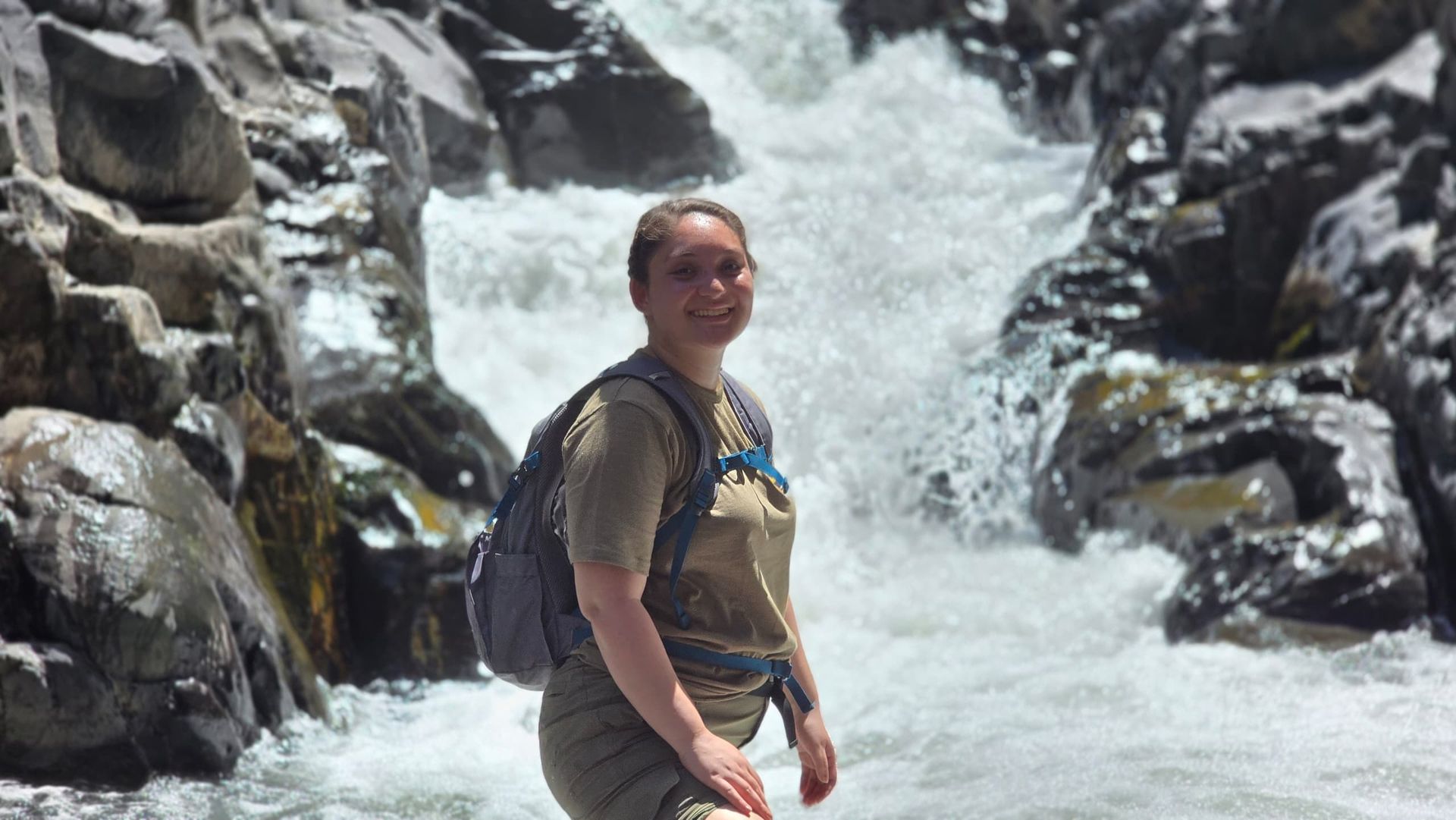
On this adventure, you’ll not only witness Lake Natron’s stunning landscapes but also visit the site of ancient human footprints over 10,000 years old and hike to a nearby waterfall where you can cool off with a refreshing swim. It’s a journey into one of Tanzania’s most hauntingly beautiful and scientifically fascinating natural wonders.