Serengeti National Park
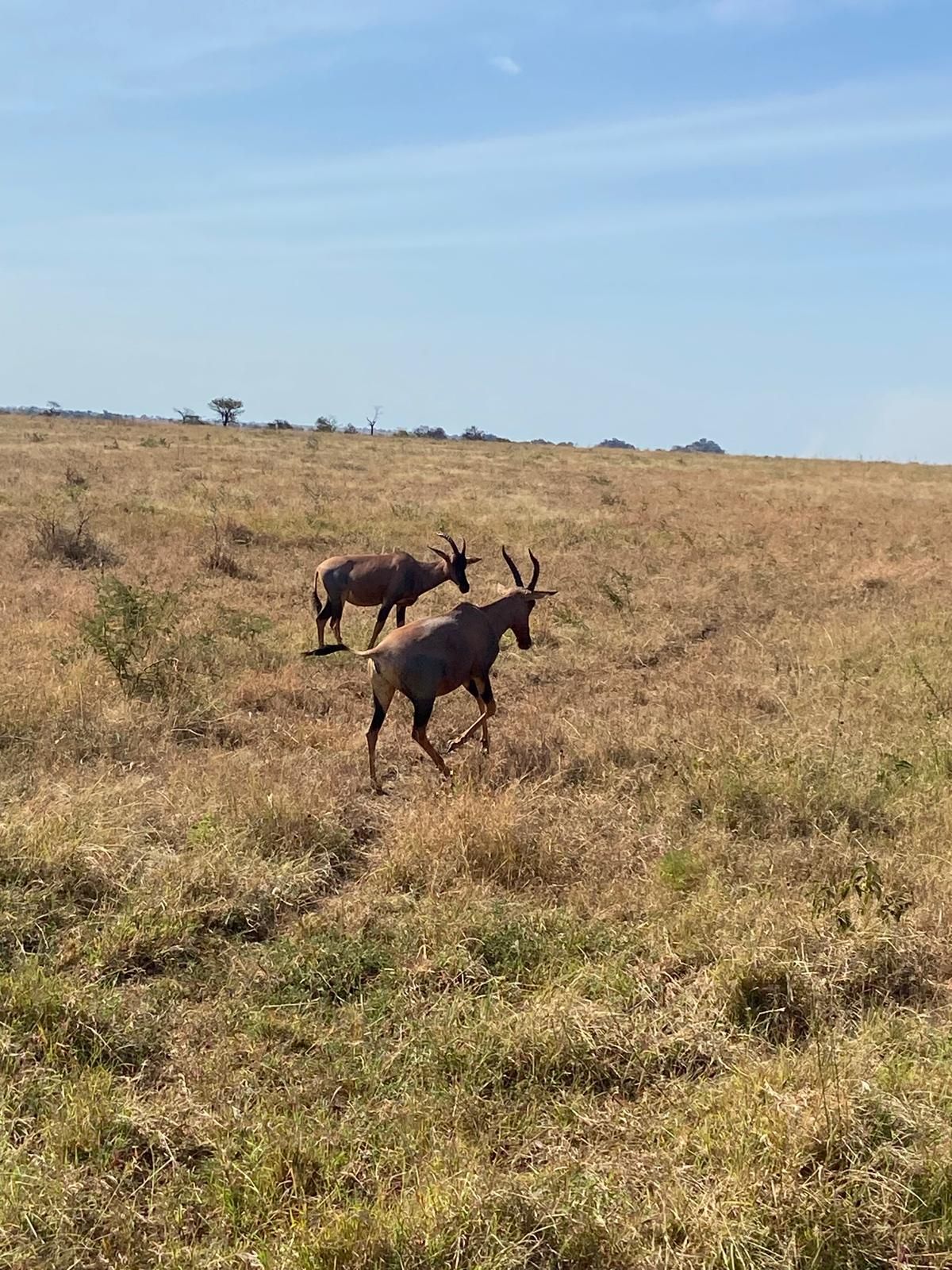
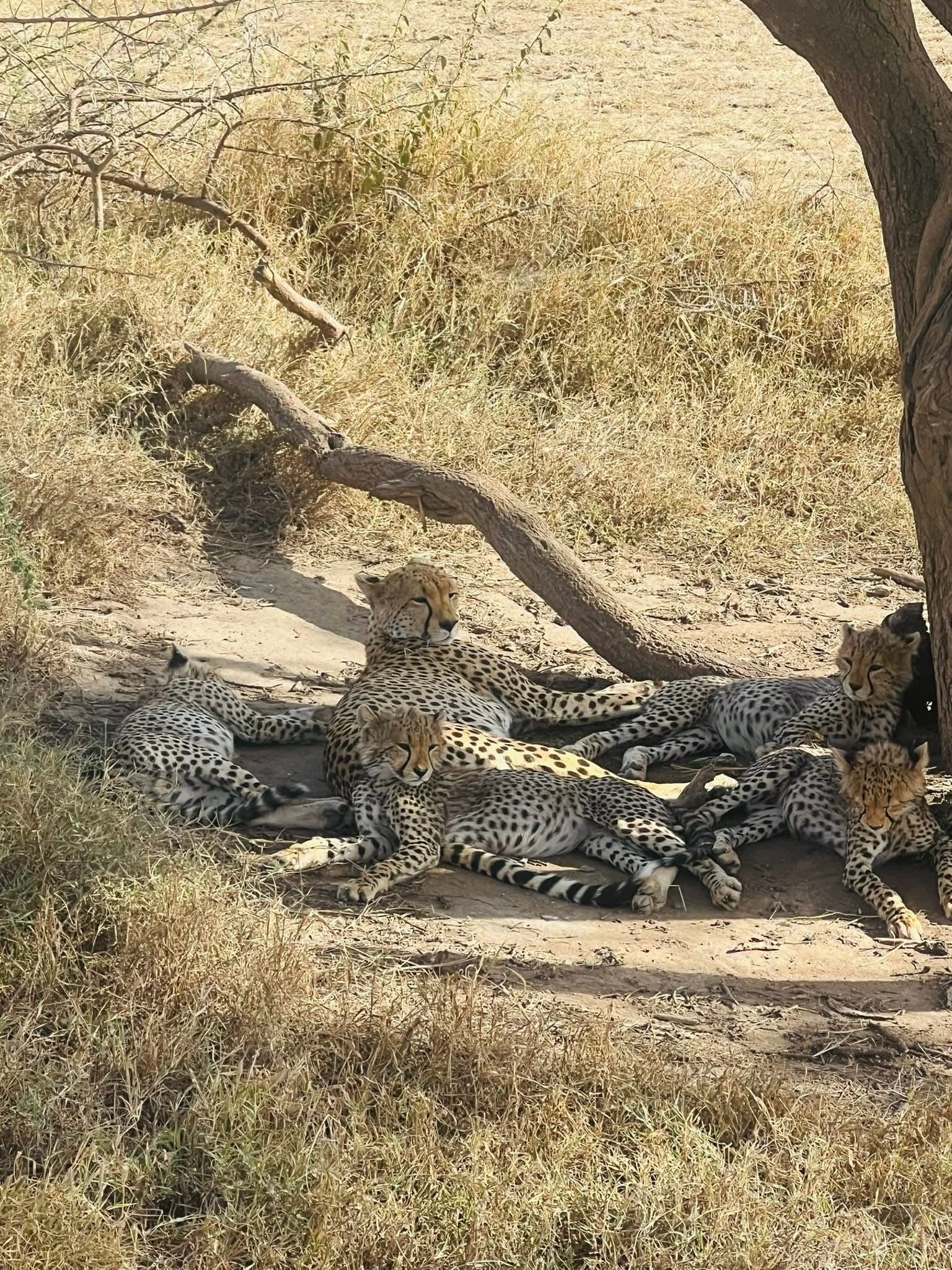
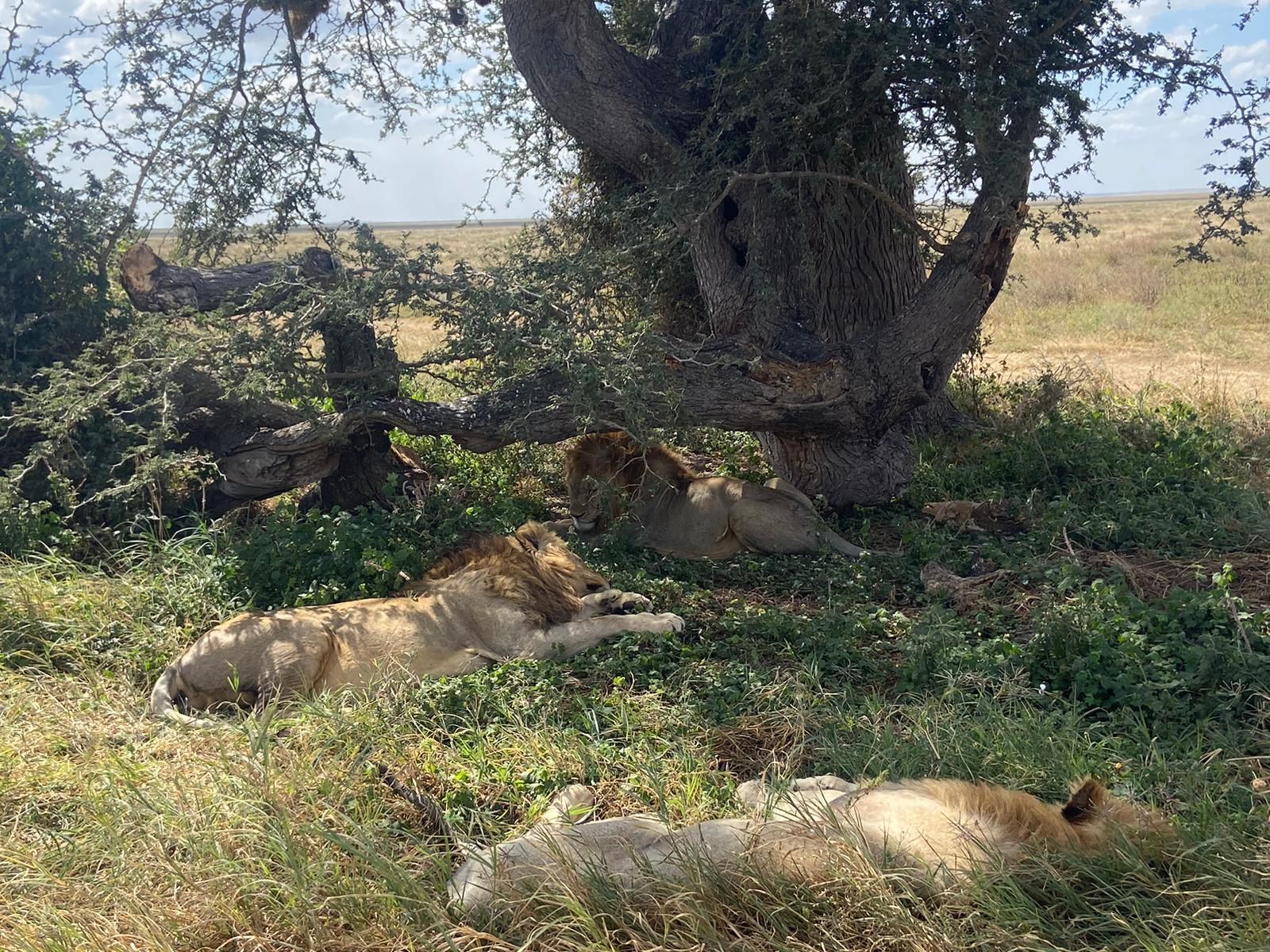
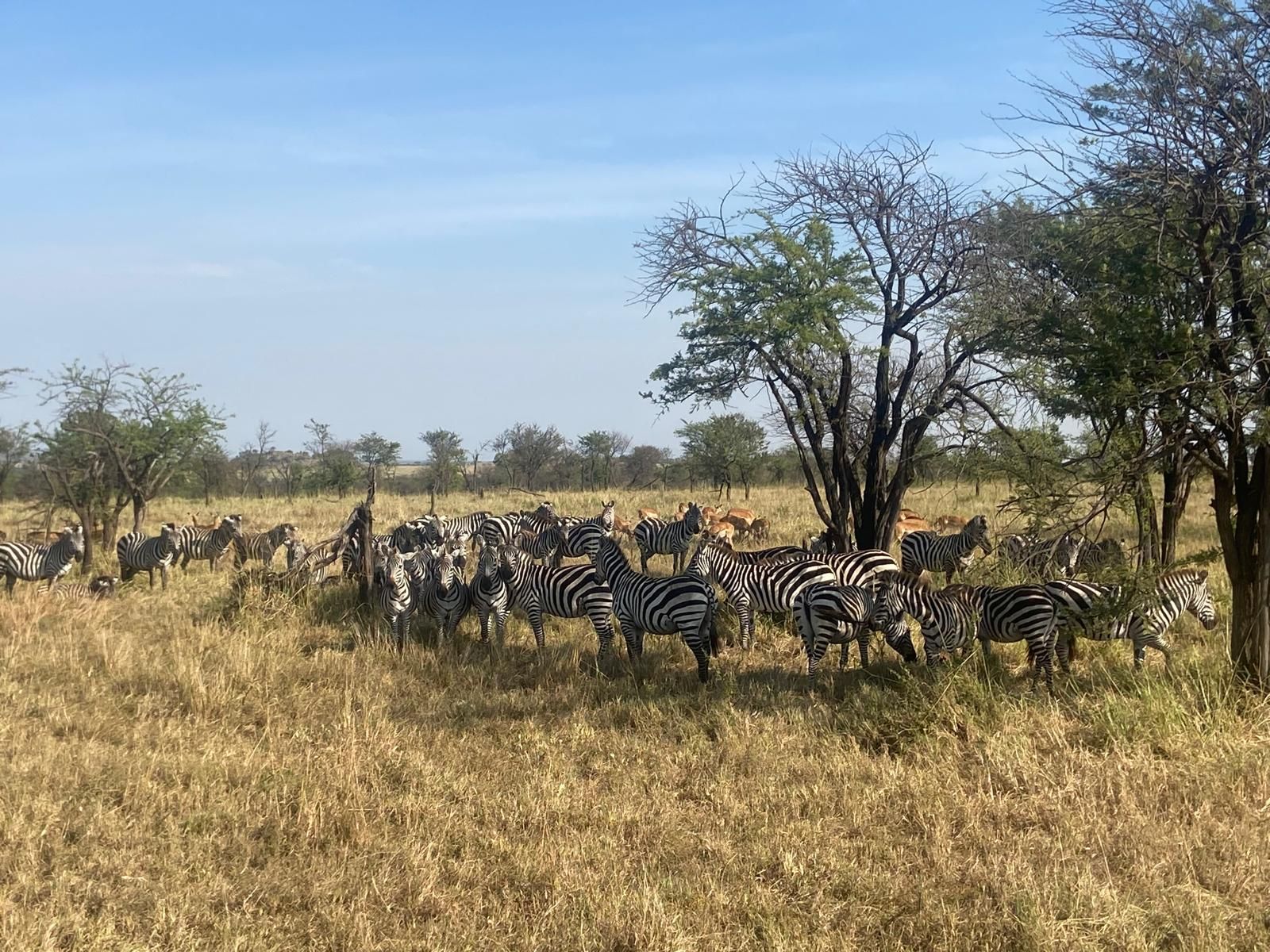
World-famous as the setting of the greatest wildlife spectacle on Earth, the Serengeti is best known for the annual Great Migration, when more than 1.5 million wildebeest, around 250,000 zebras, and vast herds of Thomson’s gazelles and eland thunder across the plains in search of fresh grazing. This dramatic movement supports Africa’s largest population of lions and sustains an exceptional concentration of predators, including leopards, cheetahs, spotted and striped hyenas, African wild dogs, servals, caracals, honey badgers, jackals, and African golden wolves. The park’s name comes from the Maasai word siringet, meaning “the place where the land runs on forever,” a poetic and accurate description of its sweeping savannas that stretch across more than 5,000 square miles (approximately 14,750 square kilometers) of largely untouched wilderness.
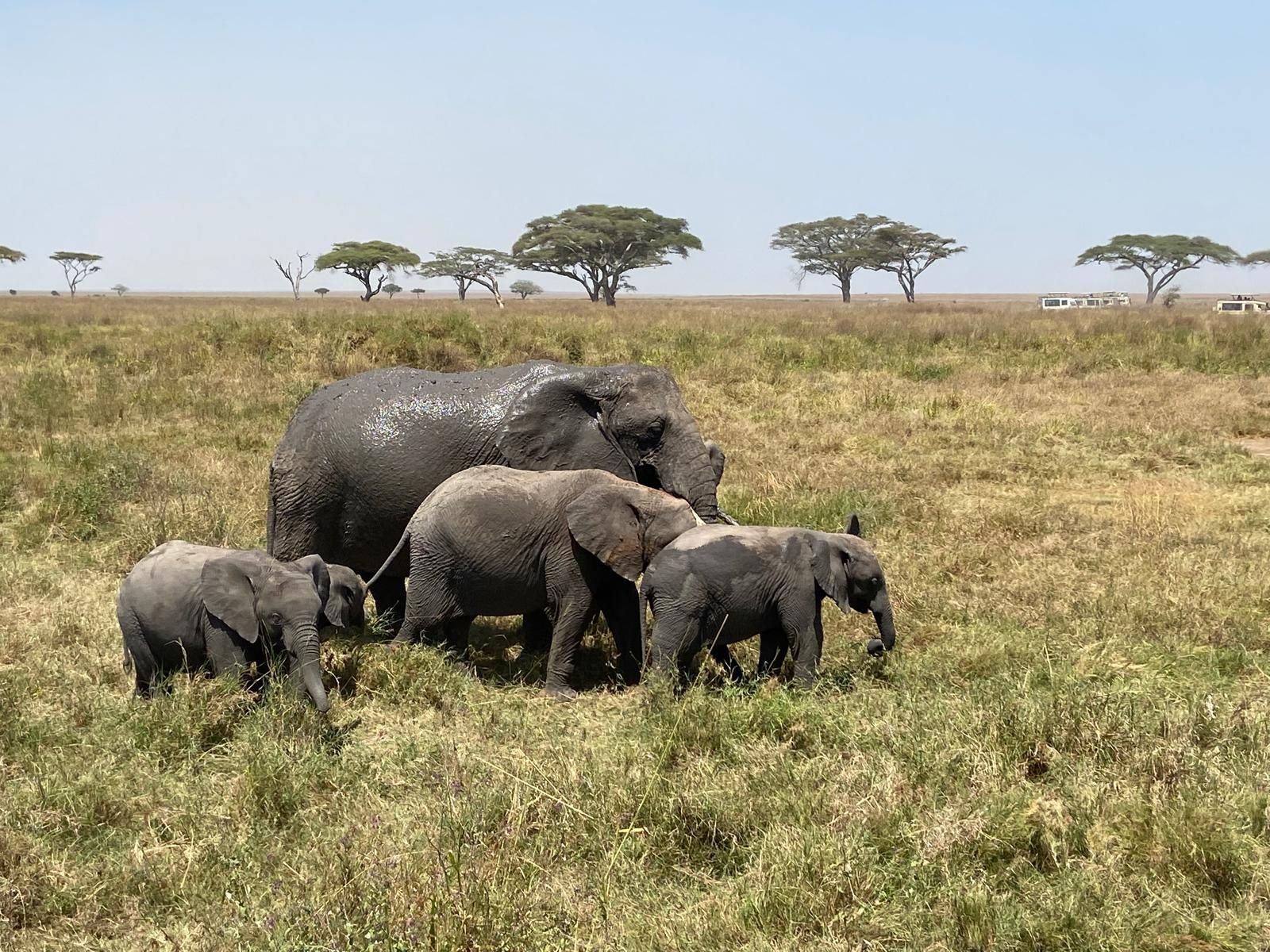
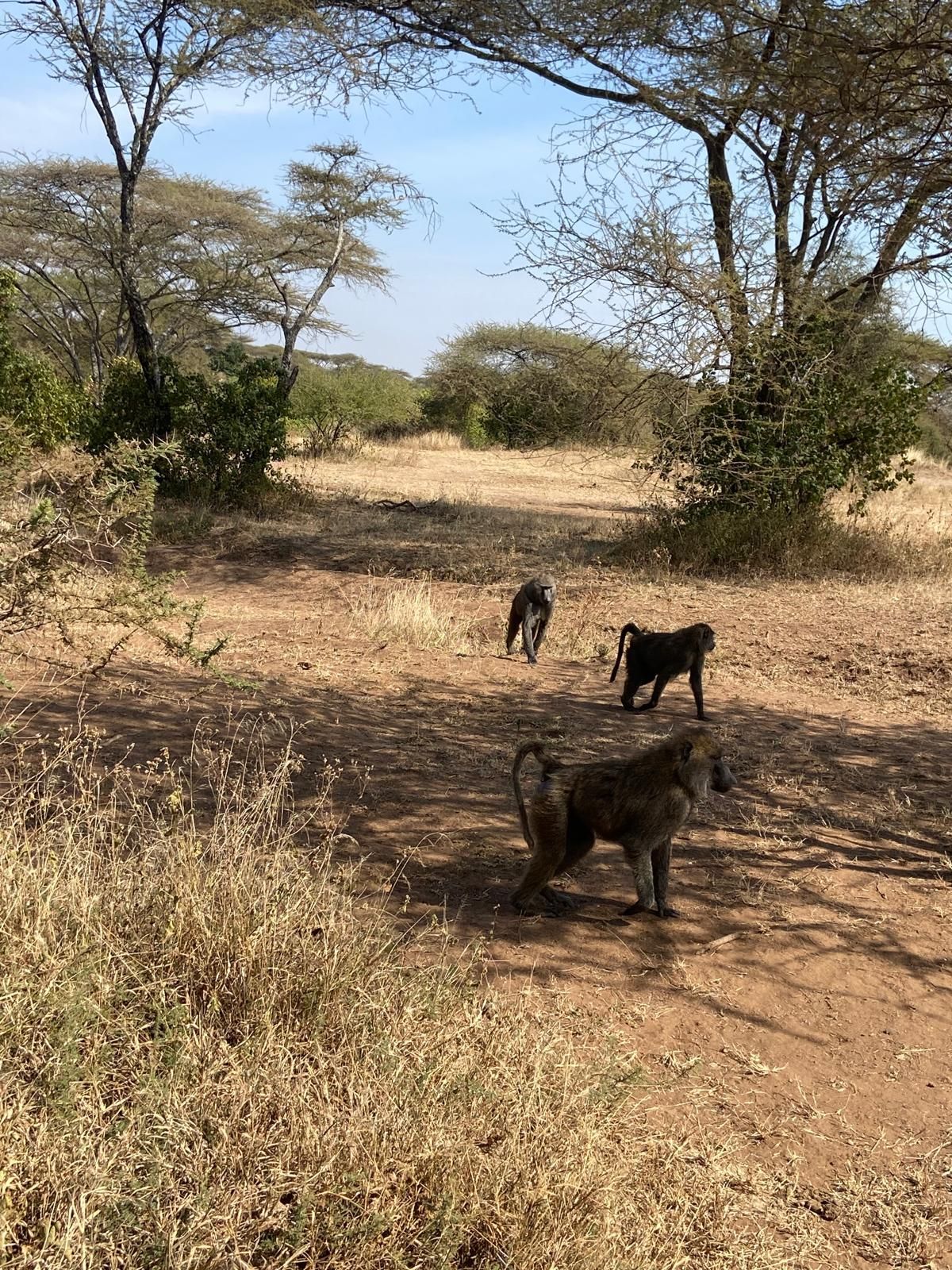
The Serengeti’s biodiversity extends far beyond its famous carnivores. Towering giraffes, massive elephant herds, African buffalo, hippos, and the rare eastern black rhinoceros roam the plains alongside warthogs, aardvarks, bat-eared foxes, pangolins, porcupines, and a wide range of smaller mammals such as civets, genets, mongooses, and wildcats. Several primate species also inhabit the park, including yellow and olive baboons, vervet monkeys, and mantled guerezas. Reptiles thrive here as well, from Nile crocodiles and monitor lizards to pythons, chameleons, rainbow agamas, and iconic snakes such as black mambas, puff adders, and black-necked spitting cobras.
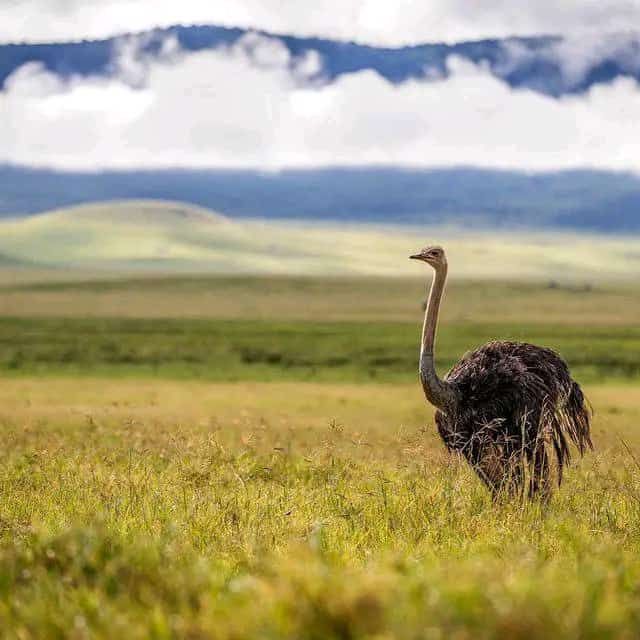
Birdlife in the Serengeti is equally spectacular, with more than 500 recorded species making it a paradise for birdwatchers. Ostriches stride across open grasslands, secretary birds stalk prey with elegant precision, while hornbills, vultures, marabou storks, flamingos, shoebills, and powerful martial eagles fill the skies and waterways. Seasonal rivers and kopjes create varied habitats that support this remarkable avian diversity throughout the year.
Due to the vast size of Serengeti National Park and its distance from Arusha, fully experiencing its landscapes, wildlife, and ever-changing light requires spending at least one night within or near the park. An overnight stay allows travelers to witness early morning and late afternoon game drives—often the most rewarding times for wildlife viewing—and to truly absorb the scale, rhythm, and raw beauty of one of Africa’s most iconic natural wonders.